
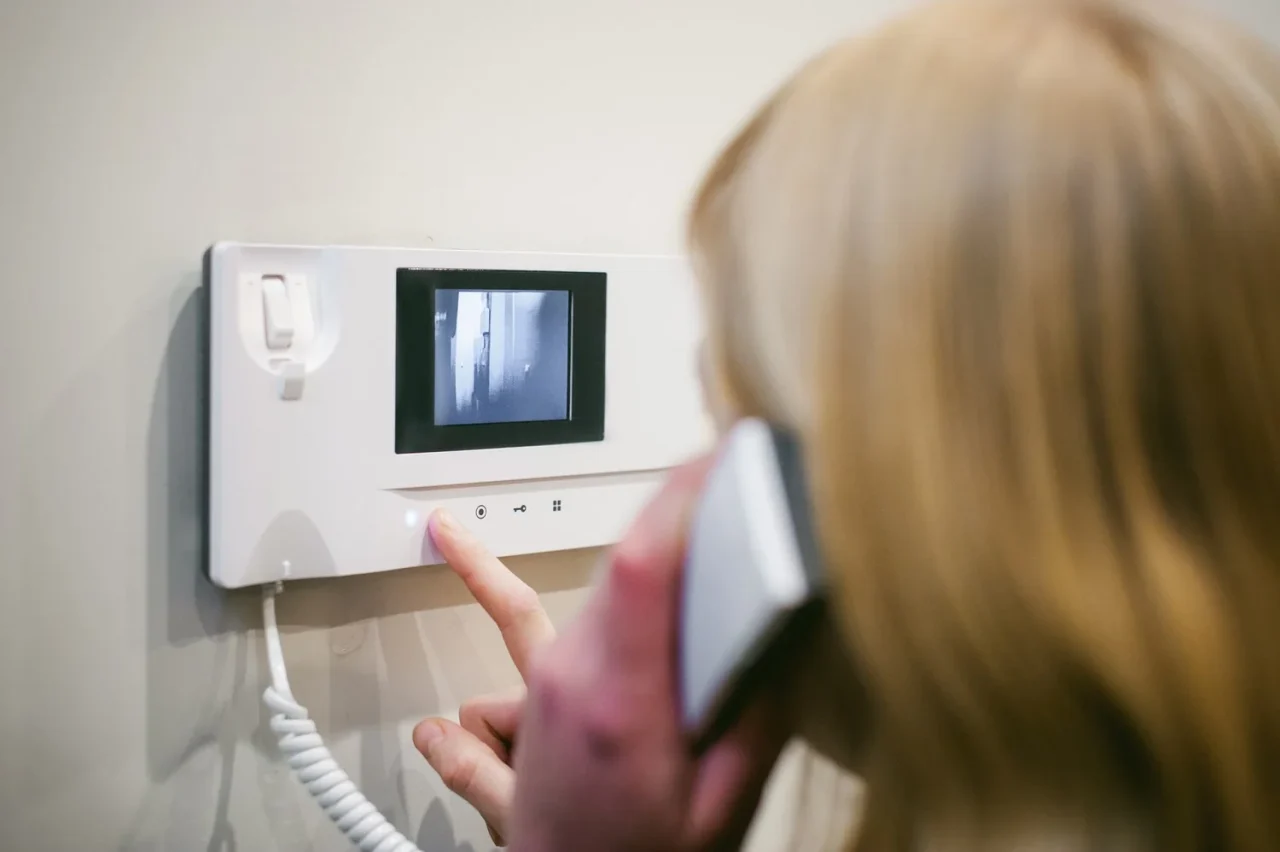
Replace a building intercom or access control system when parts are no longer available, faults happen every month, or the system is difficult to manage. Lost cards that cannot be cancelled, broken handsets that cannot be replaced, and missing administrator passwords are common warning signs. In many Dubai buildings, existing cables can be reused, helping reduce the cost and disruption of replacement.
A working intercom helps residents communicate with visitors, while access control allows authorised people to enter the building. When either system becomes unreliable, it can affect daily life, building security, and the work of the management team.
The main question is whether another repair is worthwhile or whether a full upgrade makes more sense.
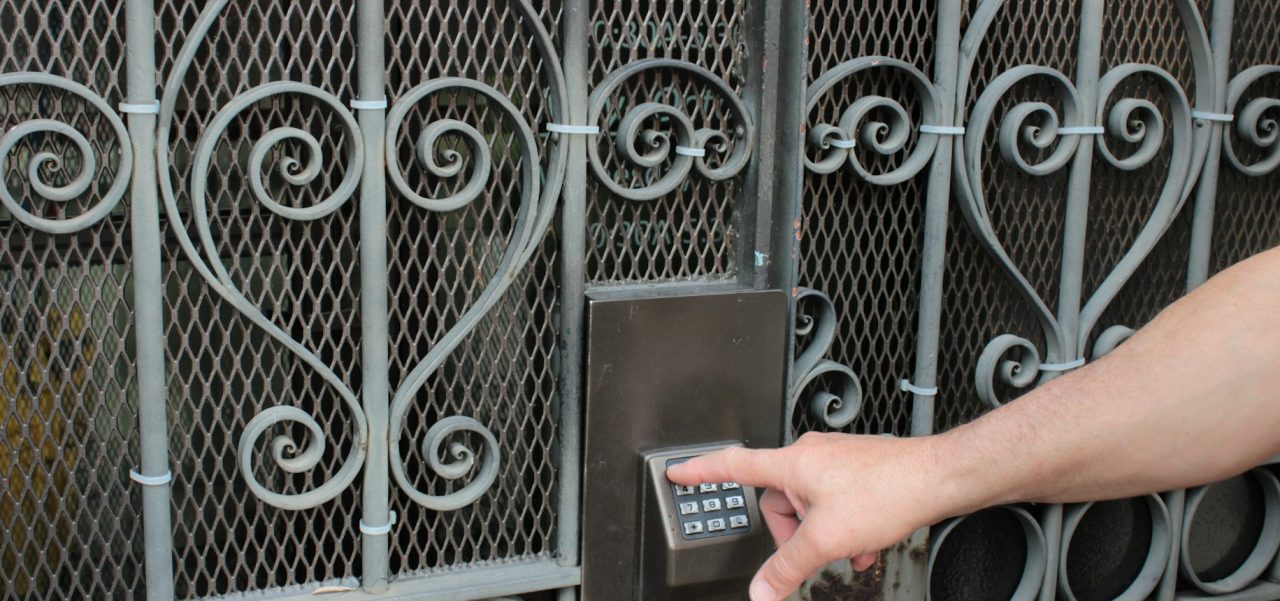
What Are the Six Signs Your System Is Near the End of Its Life?
An old system does not always need immediate replacement. However, repeated faults and missing parts can make repairs expensive and unreliable.
| Warning sign | What it means |
|---|---|
| Parts are no longer available | Repairs may take longer or become impossible. |
| Repairs happen every month | Maintenance costs can keep increasing without solving the main problem. |
| Nobody has the controller password | The management team may depend entirely on the original installer. |
| Lost cards cannot be cancelled | Former residents or staff may still have working access cards. |
| Access records are missing | Management cannot easily check who has permission to enter. |
| Residents no longer use the system | Faulty handsets, poor sound, or difficult controls may have made it impractical. |
One issue may be repairable. Several of these problems together usually mean the building should assess a replacement rather than continue paying for temporary fixes.
Should You Repair or Replace the Existing System?
The right choice depends on the condition of the equipment, the availability of parts, and the cost of continued maintenance.
As a practical guide, compare the annual maintenance cost plus repair bills with the price of a new system. If these costs reach around a quarter of the replacement cost in one year, it is worth getting a replacement proposal. This is a budgeting guideline, not a fixed rule.
Replacement should also be considered when a major component cannot be repaired or when the current system no longer meets the building’s needs.
Repair may be suitable when:
- The fault is limited to one device or component.
- Spare parts are readily available.
- The system still meets the building’s requirements.
- Repairs are occasional and affordable.
Replacement may be better when:
- Several devices fail regularly.
- The manufacturer has stopped supporting the equipment.
- Cards or user permissions cannot be managed properly.
- The system cannot support useful features such as video calling or remote access.
- Repair costs continue to rise.
A site survey can help the building management compare both options before approving a budget.
Can You Replace an Intercom Without Rewiring the Building?
Often, yes. The existing cabling may be suitable for a new system, depending on its condition and the technology being installed.
Some two-wire intercom systems can use existing cables between apartments and entrance panels. Certain IP-based solutions can also operate over existing riser infrastructure. However, compatibility depends on the cable type, distance, condition, and requirements of the selected equipment.
This is an important part of planning an intercom system replacement in a Dubai building. Reusing suitable cables can reduce wall opening, civil work, installation time, and inconvenience for residents.
Before choosing equipment, ask the contractor to inspect:
- The existing cables and risers.
- Entrance panels and apartment handsets.
- Power supplies and network connections.
- Controller locations and available space.
- The number of apartments, entrances, and access-controlled doors.
Do not assume that every cable can be reused. A survey should confirm what is suitable and identify any sections that need replacement.
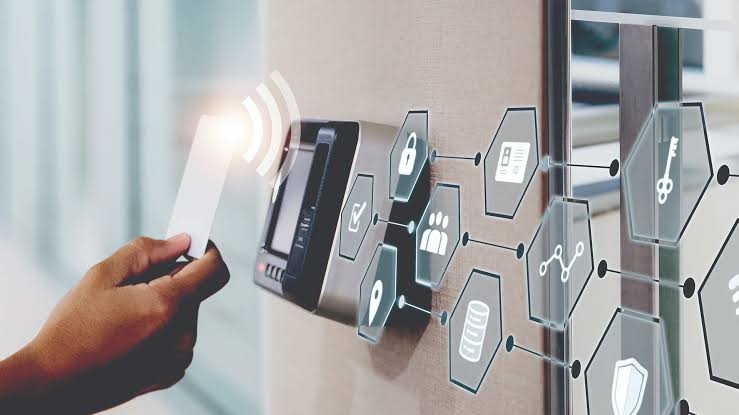
What Does an Intercom or Access Control Replacement Involve?
A successful building intercom upgrade requires more than installing new devices. The work should be planned so that the new system fits the building and residents understand how to use it.
1. Site survey
The contractor checks the existing equipment, cabling, entrances, apartments, and access points. This helps establish the actual scope and avoid unexpected work later.
2. System design and approvals
The new system is selected according to the building’s requirements. Any necessary building management approvals and applicable authority requirements should be confirmed before installation.
3. Phased installation
In an occupied tower, work can usually be planned by riser, floor, entrance, or building section. Phasing helps limit disruption and allows the existing system to remain operational until each area is ready for changeover.
4. Resident communication
Residents should receive advance notice explaining the schedule, any temporary changes, and how to collect new cards or access credentials. For Dubai buildings, notices in both English and Arabic can help ensure residents understand the process.
5. User and data setup
The contractor configures users, access permissions, cards, and supported mobile applications. Where appropriate, existing data may be migrated after its compatibility and accuracy have been checked.
6. Testing and handover
The new equipment should be tested before the project is signed off. The building should receive system documents, administrator credentials, device records, warranty details, and a maintenance schedule.
How Can You Replace a System Without Disrupting Residents?
Planning is especially important when replacing equipment in an occupied residential tower. Residents still need to enter the building, receive visitors, and use the intercom during the project.
A phased installation is often the most practical approach. The contractor completes one riser or section at a time and keeps the old system running until the replacement in that area is ready.
To reduce disruption:
- Agree on a clear work schedule before installation begins.
- Notify residents about dates and any temporary changes.
- Arrange noisy or intrusive work outside agreed quiet hours where possible.
- Confirm how residents will receive new cards, codes, or app access.
- Test each completed section before moving to the next one.
- Provide a contact for residents who experience problems after changeover.
For a mid-sized residential tower, a phased replacement may take around three to six weeks, depending on the number of apartments, equipment, cabling, and access points. The actual programme should be confirmed after a site survey.
What Should You Specify to Avoid Being Locked to One Contractor?
A new system should be manageable by the building’s authorised team, not only by the company that installed it.
Before approving a proposal, check the following:
- Administrator access: The owners association or authorised management team should receive the required credentials.
- User management: The management office should be able to add and remove users without depending on a contractor for every routine change.
- Supported hardware: Choose equipment with available regional support and replacement parts.
- Card compatibility: Confirm which card formats are supported and whether existing cards can be retained.
- Clear documentation: Require device lists, drawings, configuration details, and test records.
- Future integration: If visitor management or attendance integration may be needed, include it in the initial specification.
- Maintenance arrangements: Define how faults, updates, and routine servicing will be handled after handover.
These points help the building retain control of its system and make future maintenance easier.
What Affects Access Control Replacement Cost in Dubai?
There is no single price for every building. The cost depends on the size and condition of the existing installation and what the new system needs to do.
The main factors include:
| Cost factor | Why it matters |
|---|---|
| Number of apartments | More apartments usually mean more handsets or user devices. |
| Number of doors and entrances | Each controlled entry point may need readers, controllers, or other equipment. |
| Existing cabling | Reusable cables can reduce rewiring and civil work. |
| Type of intercom | Audio, video, and app-based systems have different equipment requirements. |
| Access cards and credentials | New cards or other credentials may be required for residents and staff. |
| Integration requirements | Fire alarm interfaces, visitor systems, or attendance systems can affect the scope. |
| Installation phasing | Work schedules and access arrangements affect labour and project duration. |
Ask for a site survey and an itemised proposal. The quotation should identify the equipment, installation work, cabling assumptions, testing, handover, and any exclusions. A quote without a clear asset count and site assessment may leave important costs unresolved.
Why Is Fire Alarm Integration Important for Access Control?
Where access-controlled doors are connected to a fire alarm system, the replacement must preserve the required emergency operation.
Doors on escape routes must release as required by the building’s approved life-safety arrangement. A new controller or locking device should not prevent the required fail-safe behaviour or interfere with the fire alarm interface.
The contractor should identify these connections during the survey and test them during commissioning. The final handover should include records of the relevant tests.
The exact requirements depend on the building and its existing design. Confirm the applicable requirements with the responsible building team and qualified provider before installation.
Should You Include the New System in an AMC?
Yes, it is sensible to plan maintenance from the time the replacement is handed over. A warranty and an annual maintenance contract (AMC) serve different purposes.
A warranty generally covers specified defects under its terms. It does not automatically cover routine maintenance, card issuing, user administration, or every service call.
An AMC can set out scheduled inspections, fault reporting, response commitments, and maintenance responsibilities. Before signing, check which devices are covered, whether parts are included, how emergency calls are handled, and whether service reports are provided.
The contract should match the installed equipment and the building’s actual needs.
Frequently Asked Questions
1. How long does a building intercom system last?
A building intercom system typically lasts around 8 to 12 years, although its lifespan depends on usage, maintenance, and equipment quality. Parts availability can become a problem before the system stops working completely. If handsets or controllers are no longer supported, assess replacement options early.
2. Can we replace the intercom without rewiring the building?
Often, yes. Some two-wire systems and IP solutions can use existing riser cables. However, the cable type, condition, and compatibility with the new equipment must be checked first. A site survey is needed before a contractor can confirm whether rewiring can be avoided.
3. How long does a replacement take in an occupied tower?
A mid-sized residential tower may take around three to six weeks, working section by section. The duration depends on the number of apartments, entrances, devices, and the condition of the existing installation. A project schedule should be confirmed after the survey.
4. Do residents lose access during the work?
They should not need to lose access if the replacement is properly phased. The old system should remain available until the new system in each section is tested and ready. Residents should be informed in advance about any temporary changes.
5. Can we keep the existing access cards?
Sometimes. Existing cards may work if the new system supports their format. In other cases, issuing new cards is the simpler option. Reissuing cards also provides an opportunity to remove access held by former residents, employees, or contractors.
6. What is the difference between an audio and a video intercom?
An audio intercom allows residents to speak with visitors, while a video intercom also displays the visitor at the entrance panel. Video systems may offer better visitor identification, and some support calls through a mobile app. The best choice depends on the building’s needs and budget.
7. Can residents answer the intercom on their phones?
Yes, if the selected system supports mobile applications. This can be useful for residents who are away from home or owners who do not live in the building full-time. The building should confirm network reliability, user registration, and privacy arrangements before choosing an app-based system.
8. Does an access control system need SIRA approval?
CCTV is the SIRA-regulated system. Access control may form part of a wider security scope, and applicable requirements can depend on the premises and installation. Confirm the position with a licensed provider before finalising the specification.
9. What happens to access control in a fire?
Doors on escape routes must release according to the building’s required life-safety arrangement. Any replacement must preserve the necessary fire alarm interface and fail-safe behaviour. These functions should be tested and recorded during handover.
10. Who should hold the system passwords after installation?
The owners association, through the authorised management company, should hold the required administrator credentials. The building should not depend on the installer as the only party able to access or manage the system. Credentials should be handed over securely and documented.
11. How much does a replacement cost?
The cost depends on the number of apartments, entrances, controlled doors, equipment type, and whether existing cables can be reused. Additional integration and installation work may also affect the price. Request a site survey and an itemised quotation rather than relying on a general estimate.
12. Can we replace the system in phases across a budget year?
Yes. A building may split the project by entrance, riser, or building section to fit its budget. The phases should be planned together so the equipment remains compatible and the final installation works as one system.
13. Is it cheaper to repair the old system for one more year?
It may be cheaper in the short term if the fault is minor and parts are available. However, once equipment becomes obsolete, repeated repairs can add up without resolving the underlying problem. Compare the likely repair costs with a replacement proposal before deciding.
14. Do we need to notify residents?
Yes. Residents should receive notice of the work dates, expected changes, and arrangements for new cards or credentials. In Dubai, providing information in both English and Arabic can make the process clearer and help reduce avoidable complaints.
15. What should be handed over at completion?
The handover should include as-built drawings, a device list by location, administrator credentials, the user database where applicable, test records, warranty terms, and a maintenance schedule. Relevant fire alarm interface test records should also be included when applicable.
16. Should the replacement be covered by an AMC?
It is sensible to arrange maintenance from handover. The warranty covers only the items and conditions specified in its terms, while an AMC defines ongoing service responsibilities. Confirm whether routine maintenance, parts, emergency calls, and user administration are included.
17. Can access control integrate with attendance or visitor management?
Yes, depending on the selected hardware and software. If integration may be needed, specify it before purchasing the system. Retrofitting it later may require compatible controllers, additional licensing, or equipment changes.
18. How do we avoid being locked to one contractor?
Choose supported equipment, obtain all required administrator credentials, and ask for complete documentation at handover. The management office should be able to handle routine user changes. Also confirm regional parts availability and make sure the maintenance arrangement does not prevent another qualified provider from servicing the system.
Considering an Intercom or Access Control Upgrade?
Logical Network Solutions LLC (LNS) works on intercom and access control systems in residential and commercial buildings in Dubai. If your building is deciding between repair and replacement, the existing cabling, door count and apartment count can be surveyed to establish what a replacement would involve.